Caring for a sick, elderly, or recovering individual requires more than basic supervision—it demands compassion, medical awareness, and consistent support. A professional attendant for patient plays a critical role in improving quality of life, supporting recovery, and ensuring safety at home or in healthcare facilities. Under the guidance and medical expertise of Dr Waqas Ashraf, patient attendants are trained to deliver holistic, reliable, and patient-centered care.
In today’s healthcare landscape, families often struggle to balance work, responsibilities, and the needs of a loved one requiring continuous assistance. This is where professional patient attendants become essential partners in long-term and short-term care.
Understanding the Role of an Attendant for Patient Care
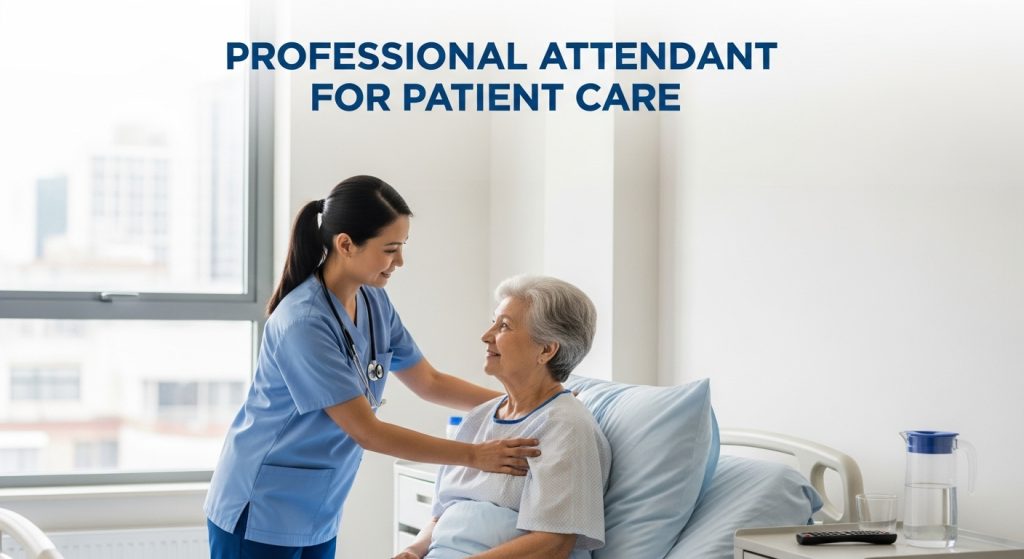
An attendant for patient is a trained individual who assists patients with daily activities, mobility, hygiene, medication reminders, and emotional support. Unlike nurses or doctors, attendants focus on non-clinical yet essential aspects of patient care that significantly impact comfort and recovery.
Key Responsibilities of a Patient Attendant
- Assisting with bathing, dressing, and grooming
- Supporting mobility and fall prevention
- Monitoring basic health signs and reporting concerns
- Helping with feeding and dietary routines
- Offering companionship and emotional reassurance
- Ensuring adherence to doctor-recommended routines
Dr Waqas Ashraf emphasizes that patient attendants act as an extension of medical care, ensuring continuity between doctor visits and daily life.
Why Professional Patient Attendants Matter
Professional care is especially important for patients with chronic illnesses, post-surgical recovery needs, neurological conditions, or terminal diagnoses. Proper assistance can reduce complications, hospital readmissions, and caregiver burnout.
Patients experiencing serious health concerns—such as cancer-related symptoms or chronic pain—benefit greatly from trained attendants who understand warning signs and comfort strategies.
For instance, patients showing throat cancer symptoms like difficulty swallowing, voice changes, or persistent throat pain require attentive daily monitoring. A professional attendant can ensure timely reporting of symptom progression to healthcare providers.
Patient Attendant Support for Cancer & Serious Illnesses
Cancer patients often face physical weakness, emotional stress, and treatment side effects. An experienced attendant provides stability, dignity, and personalized care during this challenging period.
Recognizing Critical Symptoms
Patient attendants trained under Dr Waqas Ashraf are educated to notice early red flags, including:
- tongue cancer symptoms such as sores, pain, or restricted tongue movement
- Unexplained pain that raises concerns like is heel pain a sign of cancer
- Respiratory distress linked to different types of lung cancer
Early observation and communication can significantly improve treatment outcomes and comfort.
Home-Based Patient Attendant Services
Home care is increasingly preferred for elderly patients and those recovering from surgery or long-term illness. A professional attendant for patient enables individuals to remain in a familiar environment while receiving continuous care.
Benefits of Home Patient Attendants
- Personalized one-on-one attention
- Reduced risk of hospital-acquired infections
- Improved emotional well-being
- Convenience for family members
- Cost-effective long-term care
Dr Waqas Ashraf advocates home-based patient attendants for stable patients who require assistance rather than constant medical intervention.
Patient Attendants for Elderly Care
Aging often brings mobility challenges, memory issues, and chronic health conditions. Elderly patients need patient, respectful, and consistent care to maintain dignity and independence.
Attendants assist with:
- Walking support and exercise routines
- Medication schedules
- Personal hygiene
- Companionship to reduce loneliness
- Monitoring changes in behavior or health
Professional attendants help families ensure their loved ones are safe, comfortable, and emotionally supported.
Attendant Care for Post-Surgery Recovery
After surgery, patients may experience pain, weakness, and restricted mobility. A trained attendant for patient supports recovery by ensuring rest, safe movement, and adherence to post-operative instructions.
Key areas of support include:
- Helping patients move safely to avoid falls
- Maintaining wound care hygiene
- Monitoring appetite and hydration
- Supporting physical therapy exercises
With proper attendant care, recovery becomes smoother and faster.
Emotional & Psychological Support in Patient Care
Beyond physical assistance, emotional well-being plays a vital role in healing. Patients dealing with chronic disease or terminal diagnoses often experience anxiety, depression, or fear.
A compassionate patient attendant provides:
- Emotional reassurance
- Companionship during difficult moments
- Support during medical treatments
- Motivation to stay engaged in daily routines
This emotional connection is especially important for patients facing advanced illness or terminal conditions.
Training & Standards Followed by Dr Waqas Ashraf
Patient attendants working under Dr Waqas Ashraf’s recommendations follow structured training standards, ensuring professionalism and reliability.
Core Training Areas
- Basic health monitoring
- Hygiene and infection control
- Patient mobility techniques
- Nutrition and feeding assistance
- Emergency response basics
- Patient confidentiality and ethics
This ensures that each attendant for patient delivers safe, respectful, and effective care.
When Is a Patient Attendant Necessary?
You may need a professional patient attendant if your loved one:
- Has limited mobility
- Suffers from chronic illness
- Is undergoing cancer treatment
- Needs post-surgical support
- Requires long-term elderly care
- Lives alone with medical challenges
Early involvement of a patient attendant can prevent complications and improve quality of life.
Supporting Families Through Professional Care
Family caregivers often face exhaustion, stress, and emotional strain. Hiring a professional attendant for patient allows families to rest while ensuring their loved one receives consistent, expert care.
Dr Waqas Ashraf emphasizes that professional attendants do not replace family love—they complement it by providing skilled, dependable assistance.
Choosing the Right Attendant for Patient Care
When selecting a patient attendant, consider:
- Experience with similar medical conditions
- Training and certifications
- Compassion and communication skills
- Reliability and punctuality
- Ability to follow medical instructions
A well-matched attendant significantly enhances patient comfort and family peace of mind.
The Future of Patient Attendant Services
With increasing life expectancy and rising chronic illness rates, the demand for trained patient attendants is growing. Home-based, personalized care models are becoming central to modern healthcare.
Dr Waqas Ashraf continues to advocate for professional, ethical, and patient-first care systems that integrate medical expertise with daily assistance.
Conclusion
A professional attendant for patient is more than a caregiver—they are a vital support system that improves safety, dignity, and quality of life. Under the guidance of Dr Waqas Ashraf, patient attendant services are designed to address physical, emotional, and practical needs with compassion and professionalism.
From supporting patients with cancer-related concerns like throat cancer symptoms, monitoring serious conditions linked to types of lung cancer, or assisting families worried about signs such as is heel pain a sign of cancer, trained patient attendants ensure attentive, reliable care every day.